“अनुद्वेगकरं वाक्यं सत्यं प्रियहितं च यत् । स्वाध्यायाभ्यसनं चैव वाङ्मयं तप उच्यते ॥ १५ ॥”
“anudvega-karam vakyaṁ satyaṁ priya-hitam ca yat svadhyāyābhyasanaṁ caiva vāǹmayaṁ tapa ucyate”
Austerity of speech consists in speaking words that are truthful, pleasing, beneficial, and not agitating to others,

Communication can be primarily divided in 4 Types
- Verbal Communication
- Non Verbal Communication
- Written Communication
- Visual Communication
Verbal Communication
There are two aspects for effective verbal communication; one is ‘what to say,’ and another is ‘how to say.’ People good at verbal communication can easily ask some questions or express the information with confidence. They also know how to represent their words so that people can easily listen.
Other Tips
- Be mindful of the audience perspective whom you want to put the message across
- Plan ahead and organize your thoughts and information.
- Have Patience
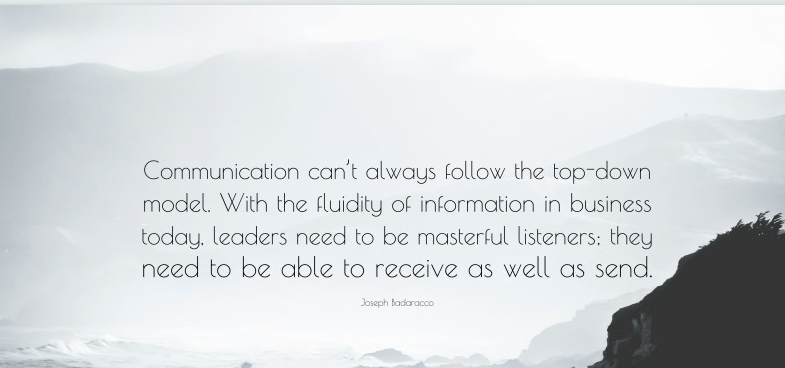
- Communication is a two-way process. Giving and receiving during a communication makes it more effective.
Non Verbal Communication
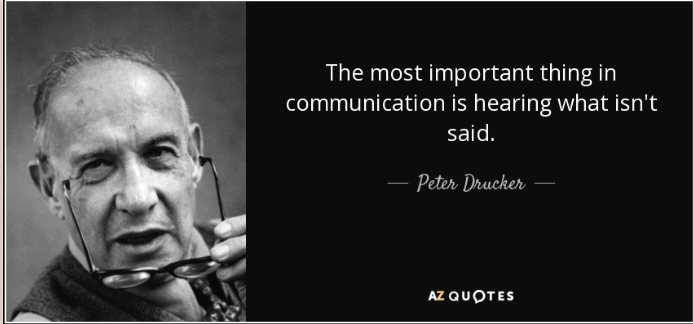
Non-verbal communication skills are those related to body languages, such as eye contact, gestures, facial expressions and vocal tone.
Non Verbal Communication Type
- Facial expressions
- Gestures
- loudness or tone of voice
- Body language
- Proxemics or personal space
- Eye gaze, haptics (touch)
- Appearance
- Artifacts (objects and images)
Written Communication
Written communication is any written message that two or more people exchange. Written communication is typically more formal but less efficient than oral communication. Examples of written communication include: Emails. Text messages
Tips for effective Written communication
- Keep it simple
- Stay on topic
- Take the time to craft their message in a precise and structured manner
- Avoid repetition and present points in a logical order.
Active Listening
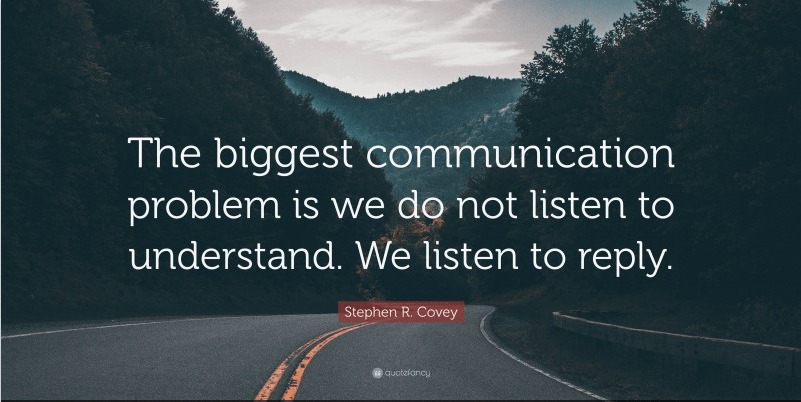
Oftentimes, we don’t retain what we hear. In fact, the average listener only remembers 25 percent of a talk or lecture two months later, according to testing from Harvard Business Review [1]. Active listening requires much deeper attention and empathy, which ideally leads to a greater understanding. It is the practice of paying full attention to what someone is saying in order to demonstrate unconditional acceptance and unbiased reflection
- Build an authentic connection with the speaker.
- You should take into consideration your body language when listening to others.
- Several cues can indicate that you are paying attention, such as nodding your head, making eye contact, or smiling (if appropriate
- Clarifying the information in simpler and shorter form back to the speaker that makes the original meaning clearer
- In order to eliminate confusion, it is beneficial to ask questions.
- Remain open, neutral, and nonjudgmental
- Summarize before closing
 accidentalprojectmanager.blog
Leave a comment