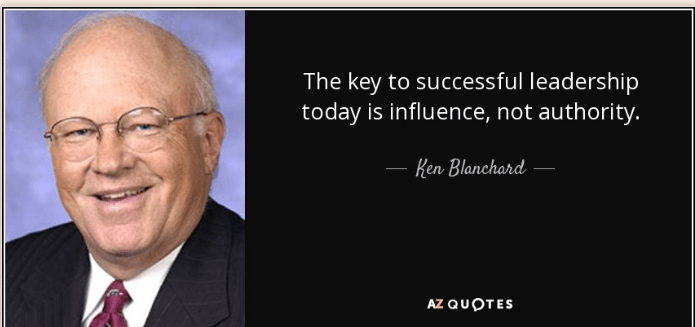
The Truth is in The Numbers
- In a recent study by MIT, only 10% of working professionals agreed that their leaders had the required skillsets to ensure that their organizations thrive and move forward under the current economic conditions.
- In another survey of CEOs by Fortune magazine, only 7% of CEOs believed their companies were building effective global leaders.
- A Gallup study suggested that only 10 percent of people naturally have all the traits required to be a great manager.
- 40 per cent of the global workforce considered resigning due to the dramatic change in working culture brought on by the pandemic.
What is Leadership Style
John Kotter defined the term leadership styles as the methods of leaders in providing direction, executing plans, and motivating people.
Type of Leadership Style
Coaching
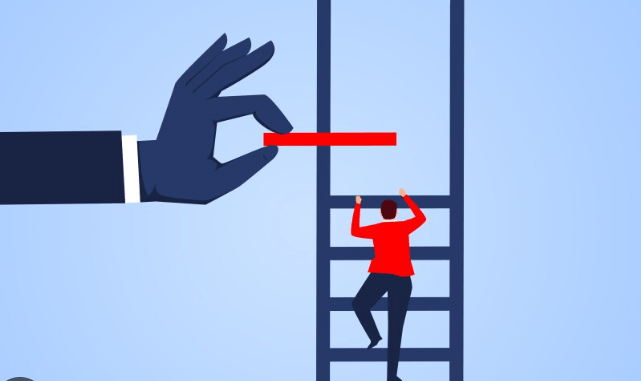
- Provide space for experimentation and short-term failures.
- Motivate and support the people in taking challenges and moving forward
- Team members are encouraged to identify their unique strengths and weaknesses and tie them to their personal and career aspirations
- people feel free and confident to try their own.
Visionary

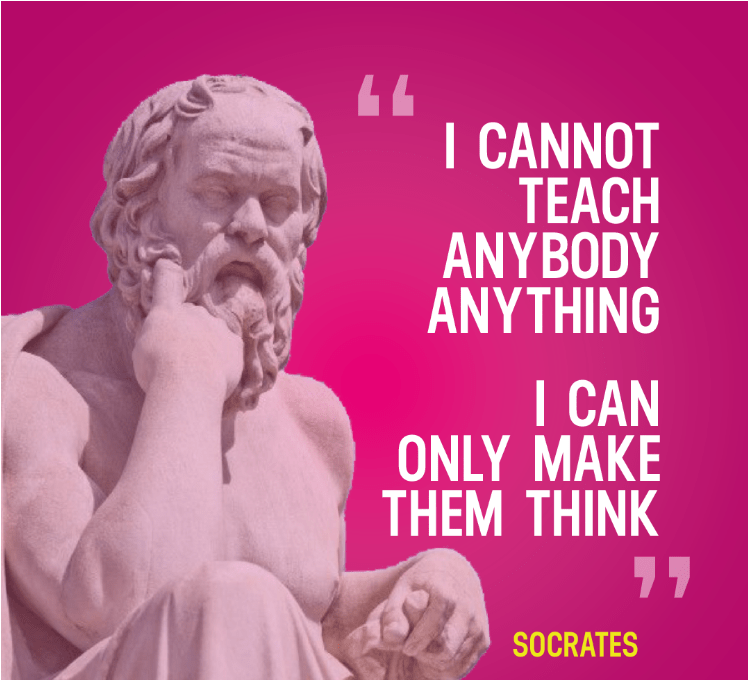
- Mobilize teams or followers to work toward their vision
- Bringing teams and entire organizations together and leading them in a common direction
- Ensures the vision becomes reality by stating clear goals, outlining a strategic plan for achieving those goals.
- Greater employee engagement, more productive teams and improved outcomes.
Autocratic

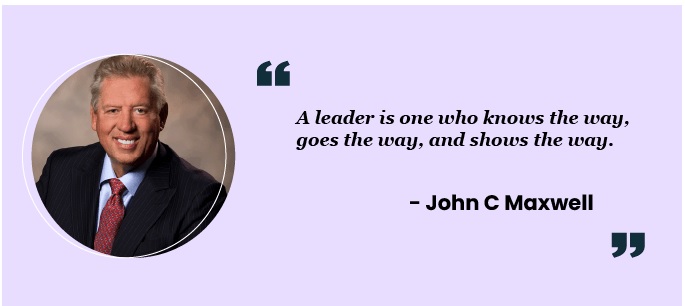
- Directs and controls all activities without any meaningful participation by the subordinates
- Team works under very close supervision (Micromanagement)
- Leader dictates policies and procedures.
- Downward, one-way communication
Pacesetter
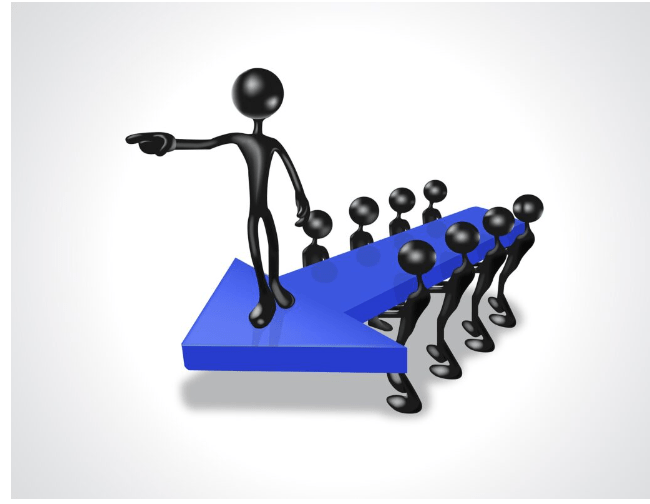
- Leader is obsessed with getting thing done faster and better.
- Leader is slow to praise and quick to criticize.
- Doesn’t trust others to do as good a job as he would.
- Amplifies speed and performance
Servant Leadership

- Goal of the leader is to serve.
- Leader exists to serve the people.
- Growth and well-being of the people.
- Empowering both individual team members and the company to be successful.
Transactional

- The leader views the relationship between Leaders and Team members as an exchange – you give me something for something in return
- Transactional leaders, tell group members what to do and when to do it.
- Transactional leaders monitor followers carefully to enforce rules, reward success, and punish failure.
- Team members are not encouraged to be creative or to find new solutions to problems.
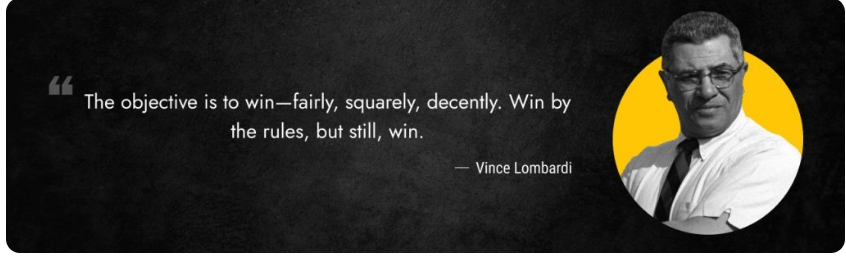
Transformational

- Creates valuable and positive change in the Team members with the end goal of developing Team members into leaders.
- Motivate Team members to give priority to group interest first.
- Leaders ready to discuss with Team members plans before execution.
- Leaders have high energy level and willingness to try new strategies
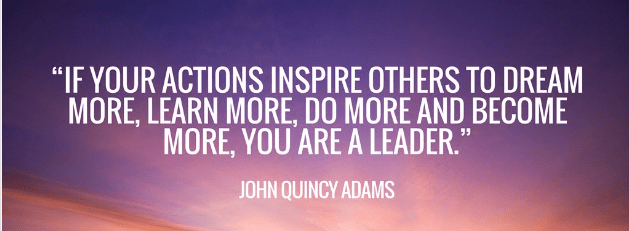
The Future of Leadership in The Post-Pandemic Era
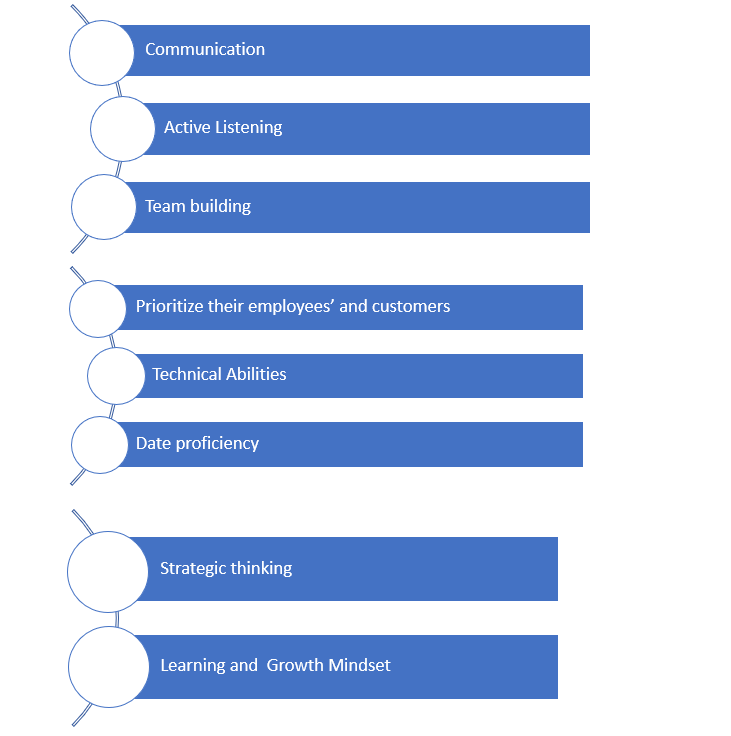
Must skills for Future Leaders
In one sentence if we need to summarize
“The role of a leader is not to come up with all the great ideas, The role of the leader is to create an environment in which great ideas happen”
-Simon Sinek
In the Post-Pandemic world leaders will be encouraged to show below style of leadership or combination of this
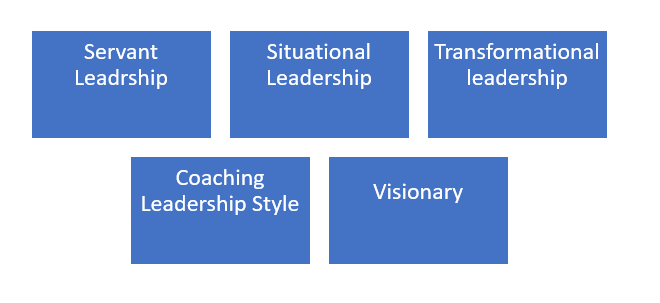
Leaders must ask themselves if they are prepared to lead their organizations and Team amidst economic chaos.
Bibliography
- The Six Leadership Styles by Daniel Goleman
- Leaders Eat Last – Simon Sinek
 accidentalprojectmanager.blog
Leave a comment