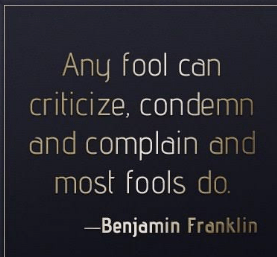
Think of the last argument you won. What became better because you won it?
- Did a delayed project move forward?
- Did someone understand the issue more clearly?
- Did a decision improve?
Or did you simply leave with the satisfaction of proving someone wrong?
I find this question uncomfortable because it asks me to examine my own contribution. It is easy to recognise blame in someone else’s words. It is harder to notice when my own criticism adds heat without offering direction.
In workplace meetings, public debates and everyday conversations, we can spend considerable energy explaining what is wrong. Yet the conversation often ends before we ask: What can we do next, and what part can I play?
Pixar: When Frustration Found a Purpose
When director Brad Bird began making Pixar’s The Incredibles, his vision stretched the studio’s technical capabilities. The film required human characters, moving hair, water, fire and numerous locations—major challenges for computer animation at the time.
Bird sought out artists whose alternative approaches had gone unheard. He gave these frustrated contributors opportunities to test their ideas. He later reported that the team created three times as many sets as Finding Nemo, at a lower production cost per minute.
Bird also described open disagreements with producer John Walker. Their discussions exposed trade-offs between creative ambition, available resources and delivery. Bird valued Walker’s willingness to bring difficult news directly to him.
My reading of their collaboration is that disagreement helped them make choices. They could challenge each other while continuing to work toward a successful film.
Task conflict focuses on the work: evidence, assumptions, priorities and proposed approaches.
“This choice could improve quality, but it puts the schedule at risk. What should we prioritise?”
Relationship conflict focuses on personal friction: hostility, resentment and judgments about someone’s character.
“You always hold us back. You don’t care about doing good work.”
Both statements might begin with the same concern. But they give people very different things to respond to.
A specific concern invites investigation. A personal accusation invites self-defence.
The Pixar story illustrates how disagreement can make trade-offs visible. That requires effort: listening to the concern, explaining the reasoning and remaining willing to adjust.
The question I need to ask myself is:
Am I helping us examine the issue—or making it harder for others to engage with me?
A Call to Action: Change Your Next Conversation
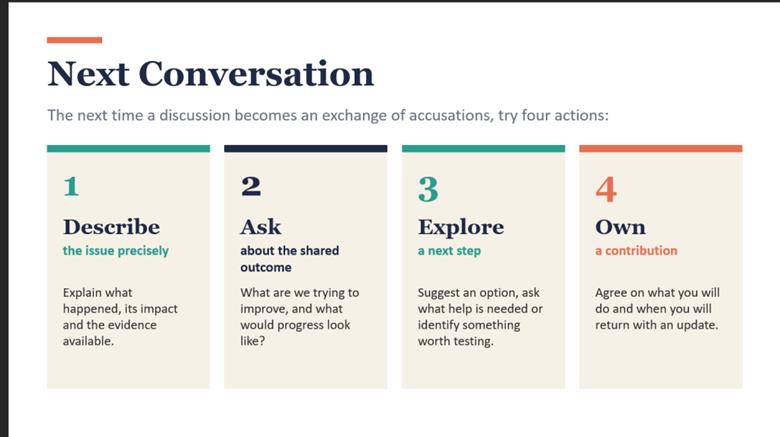
When someone challenges your approach, pause before judging their intention. Ask them to explain the concern and the alternative they see.
When you challenge someone else, give them something useful to work with.
I cannot control how every conversation unfolds. I can choose the quality of my participation.
Before I speak, I want to ask: will my words bring the solution closer?
Bibliography
Inspired by – Think Again – By Adam Grant


Leave a Reply